

In the current business environment, cultivating robust customer relationships is more crucial than ever. Organizations large and small are realizing that grasping and handling interactions with customers can greatly influence their growth. This is where CRM applications becomes important. Designed to optimize processes and enhance the quality of customer interactions, CRM tools allow organizations to build lasting connections and enhance customer satisfaction.
For newcomers, diving into the world of customer relationship management might seem daunting. However, with the proper guidance, you can unlock the full power of CRM applications to revolutionize your approach to customer service. In this introductory guide, we will investigate the essentials of CRM software, showing how they can streamline managing customer relationships and the diverse features that can assist your business. Regardless of whether you are a modest start-up or an established enterprise, comprehending CRM software is an important step in nurturing loyalty and propelling growth.
Grasping Customer Relationship Management Fundamentals
Customer Relationship Management applications, typically known as CRM software, is a vital tool for companies seeking to improve their connections with customers. At its core, this software provides a consolidated system to manage client engagements, facilitate communication, and arrange customer data. This software permits businesses to monitor and assess client actions, making it more convenient to understand their needs and preferences.
One of the primary roles of this software is to establish a thorough repository that aggregates customer data. This includes personal details, purchase records, and communication records. By having all this data easily available, businesses can cultivate more significant engagements with their clients, leading to better satisfaction and loyalty. Efficient utilization of CRM software can transform the way a company engages with its customers.
Furthermore, CRM tools often come equipped with various features that assist in sales, marketing, and client support. Capabilities like automated processes, data analytics, and reporting functions enable businesses to make educated decisions based on current data. This not only enhances efficiency but also helps in recognizing opportunities for growth, ultimately resulting in more robust customer relationships and increased profitability.
Essential Aspects of CRM Solutions
One of the most essential features of Customer Relationship Management tools is the management of contacts. This capability allows businesses to arrange and keep information about their clients, including details of conversations, buying history, and personal details. By having all this information in a single location, companies can easily track customer interactions and personalize their marketing strategies, ultimately leading to better customer relationships.
A further feature is sales tracking and reports. CRM solutions provide tools to monitor the sales pipeline, track potential clients, and analyze sales outcomes. These insights help organizations understand which strategies are effective, allowing for data-driven decision-making. By using these data insights, businesses can identify trends, predict sales, and allocate resources more efficiently.
Additionally, automated functionalities play a significant role in boosting productivity. CRM software often comes with features for automation that streamline routine tasks such as follow-up emails, appointment scheduling, and data entry. This automation not only saves time but also reduces errors, ensuring that customer communications are timely and effective, which contributes to enhanced customer satisfaction and loyalty.
Choosing the Right CRM for Your Company
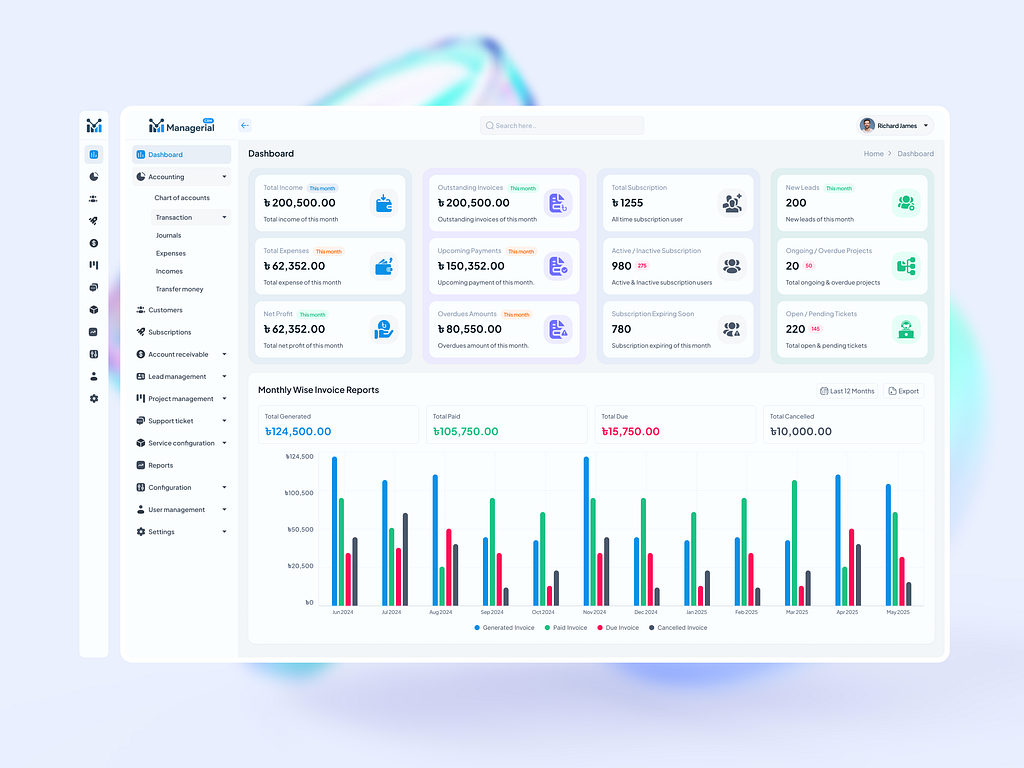
Deciding on the best CRM solution is essential for enhancing your client relationships and optimizing your company processes. Start by identifying your exact needs and objectives. Consider elements such as the size of your workforce, the nature of your selling process, and the features that are essential to you. Look for a solution that is flexible and can expand alongside your business, offering functionalities that will benefit you in both the immediate and long-term.
Next, take advantage of free trials and demonstrations offered by different CRM vendors. Serv-U enables you to get a practical experience with the system and better comprehend its usability. During this trial time, involve your team to collect feedback, as their input will help you assess whether the CRM meets everyone’s requirements. Pay close attention to the user interface and ease of navigation, as a more intuitive design can lead to higher adoption rates and fewer training issues.
Finally, consider the interconnectivity capabilities of the CRM software. A platform that can smoothly integrate with your current tools and applications will help ensure a more seamless transition and enhance overall productivity. Evaluate customer service options and community resources as well, since ongoing assistance can be invaluable when you face issues. By following these actions, you can certainly select a CRM system that will effectively support your business in cultivating strong client connections.